
enhance your cruising logbook
Coastal Passage Cruising (CPC) is TGL’s advanced next-step cruising course built for boaters ready to move beyond day trips and into true multi-day, liveaboard training passages. Choose from several options, each shaped by its own navigation challenges and Great Lakes conditions. Training passage options range from 5 to 7 days aboard vessels up to 58 feet, you’ll take the helm, run the plan, and make the skipper level decisions that generate experience and confidence.
Route
Planning
Overnight
Anchoring
Weather
Routing
Logistics
Planning
Itinerary
Options
Overnight
Passage
new for 2026

ready to choose your passage?
5 day passage options
Coastal Passage Cruising (CPC) training passages are built around Great Lakes conditions. Current five-day passage options include a Beaver Island loop, Door County loop, Garden Peninsula or a unique run along the Bailey’s Harbor light range. Final routing and daily mileage are always adjusted for weather, sea state, and the realities of cruising trawlers, including the possibility of mechanical troubleshooting underway. That flexibility is by design. CPC participants train in authentic passage-making conditions, learning to plan conservatively, adapt underway, and make skipper level decisions when conditions change.
Beaver Island
Door County
Garden Peninsula
Light Range
6 day passage options
Coastal Passage Cruising (CPC) training passages are built around real Great Lakes conditions and the realities of operating cruising trawlers underway. Our current six-day passage options focus on two standout routes: the Cheboygan Lock Passage and the Sault Locks Passage. Final routing, ports, and daily mileage are always adjusted for weather windows, sea state, and operational considerations, including the possibility of mechanical troubleshooting underway. That flexibility is intentional. CPC participants train in authentic passage-making conditions, learning to plan conservatively, adapt underway, and make calm, skipper-level decisions as conditions change.
Cheboygan Lock
Sault Locks
passage pricing
Select your boat, plan your passage.
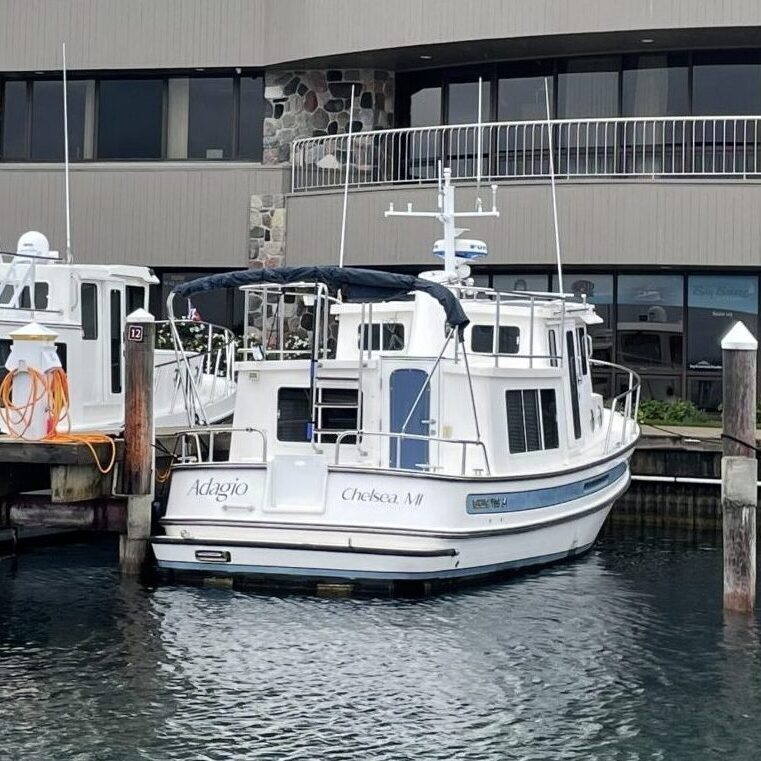
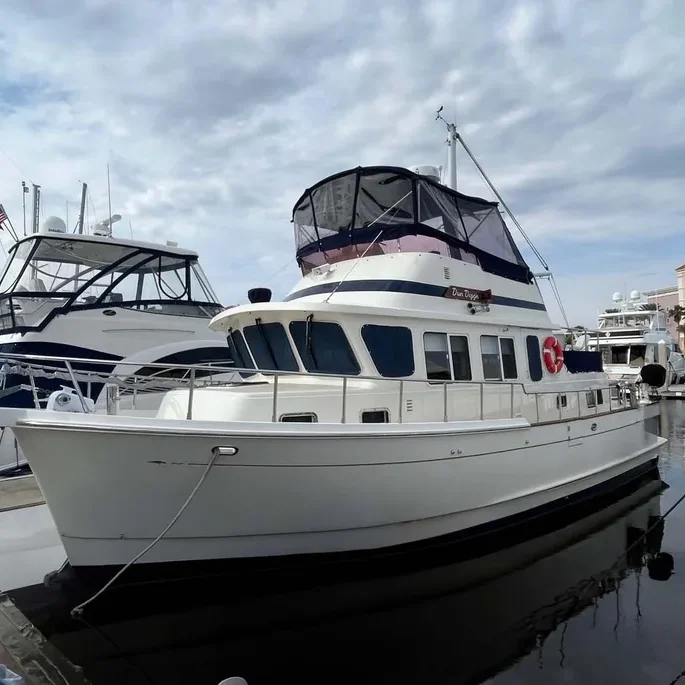
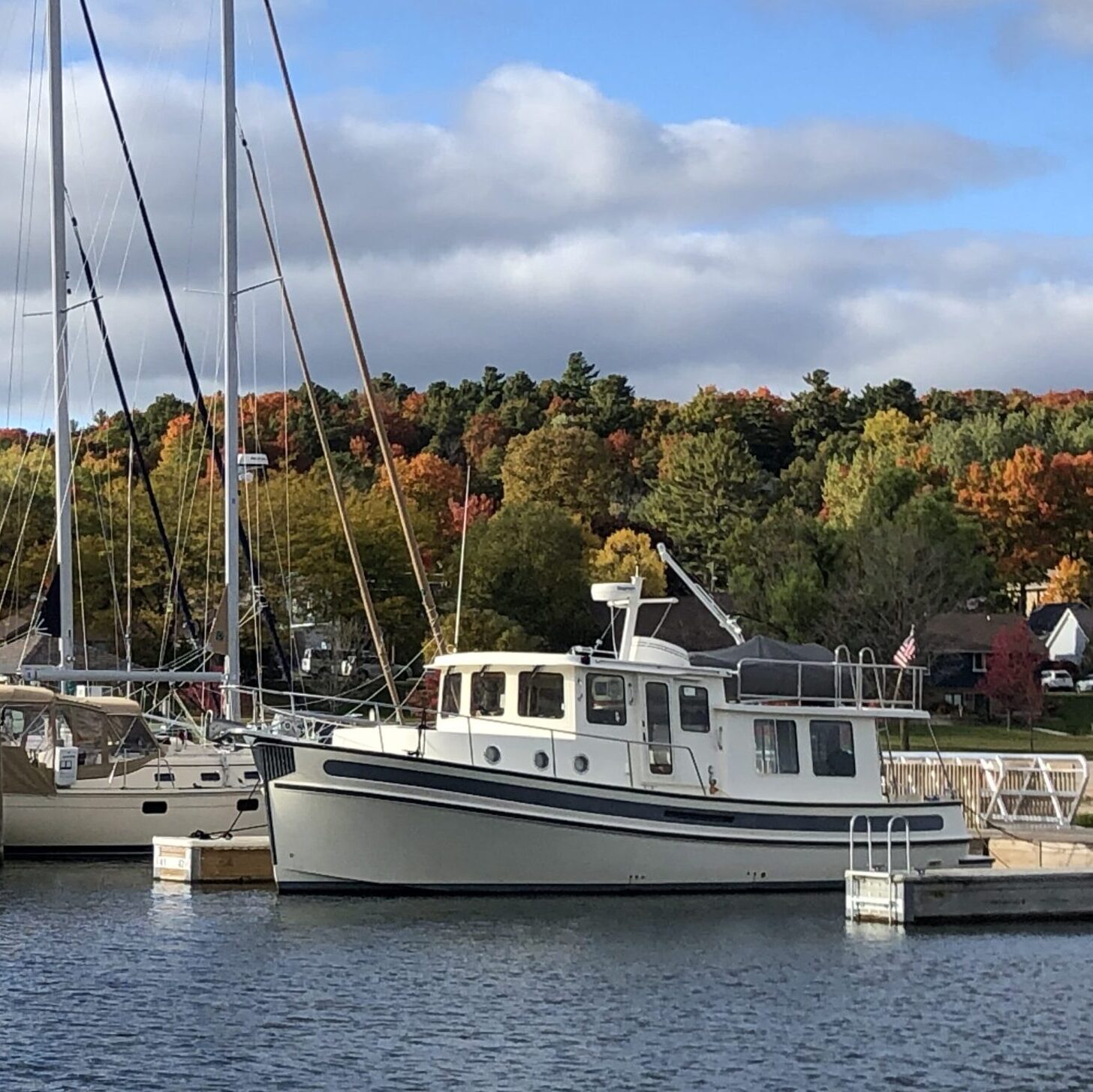
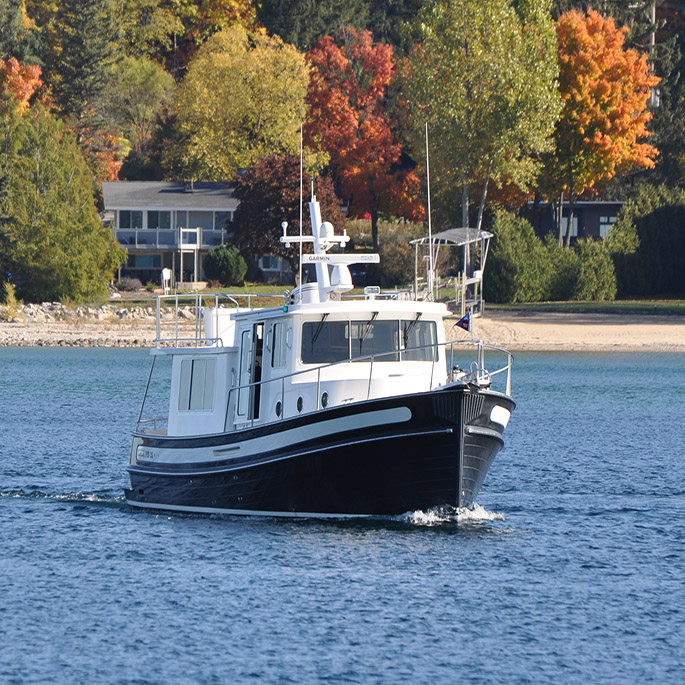
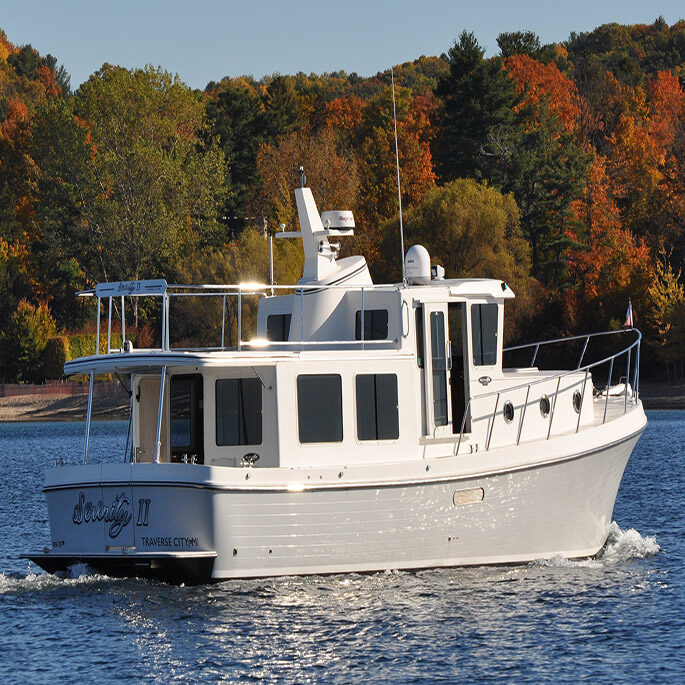
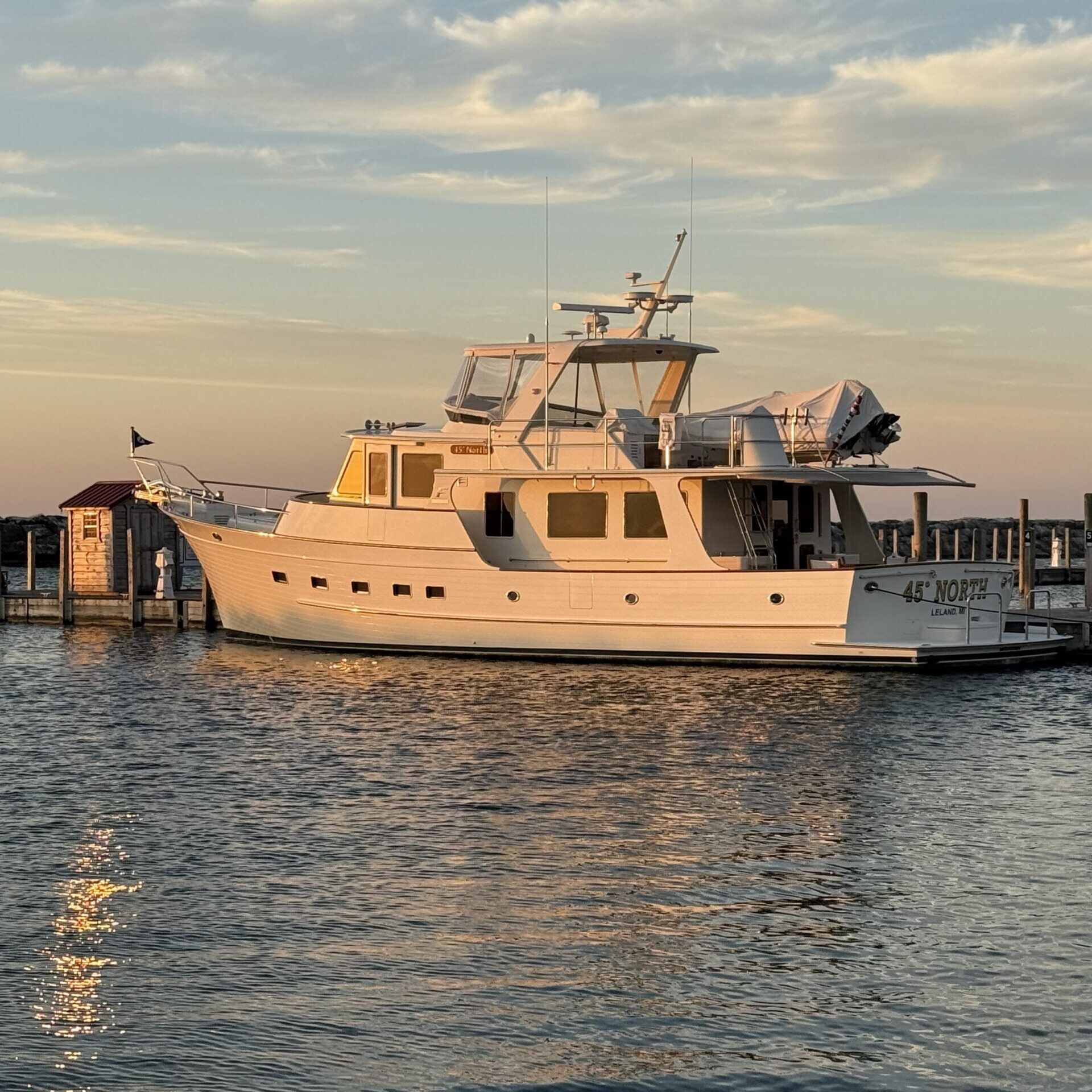
ready to take the helm?
is cpc right for you?
Coastal Passage Cruising (CPC) is designed for those progressing to multi-day cruising experiences. CPC is structured to meet where you are in your cruising experience and build confidence beyond your comfort zone. To get the most from CPC, the following are strongly recommended.
Who It’s For
~ Ready to move beyond day trips into multi-day liveaboard passage making?
~ Want more time at the helm in port to port decisions?
~ Cruise as a couple or team to build communication and shared roles.
~ Prefer a training environment where plans adapt to weather and other cruising variables?
Prerequisites And Readiness
~ Prior training such as the TGL trawler school’s BPC/IPC/NOE on water experience are recommended.
~ Comfort moving around a boat, handling lines, fenders and participating in running the vessel systems.
~ Readiness for liveaboard schedules including early starts, variable weather and rotating roles.
~ Familiarity with navigation fundamentals and onboard electronics
Not sure where you fit?
Submit an inquiry and we’ll recommend the best passage and right level of training to match your experience and goals.
f.a.q.
coastal passage cruising questions
We do our best to provide the answers to the most common CPC questions. If you don’t find yours on the FAQ list, please reach out to us.
Yes! CPC is an advanced, instructor-led training passage. You’ll have an assigned US Powerboating Certified Instructor onboard the entire passage. This formal certification will apply to insurance or chartering.
CPC has been created ideally for previous TGL trawler school graduates possessing logbooks with the BPC, IPC and NOE certifications already earned.
ready to move beyond day trips into multi-day cruising—owners, future owners, and couples preparing for Great Lakes and coastal travel. It’s ideal if you want more confidence with route planning, open-water legs, and skipper-level decision-making.
The short answer is no. There are no formal prerequisites. That said, prior training like BPC/IPC/NOE (or equivalent experience) is strongly recommended so you can get the most out of the passage. At its core, CPC is designed to put you in the helm seat longer, in situations that build developing experience, situational awareness, and confident skipper-level decision-making. If you are not a TGL trawler school graduate, you may want to consider a TGL Pilot Charter which serves as a great introduction providing solutions and answers in a more enjoyable scenario.
Most CPC passages run 5–7 days. Days are a mix of planning/weather review, helm time, navigation, harbor work, and debriefs. Crew members rotate through skipper-level roles including watchstanding, passage planning, and piloting. Days can and will be long provided weather and routing permit.
The established Passage options are the intended schedule, but final routing decisions are adjusted for conditions if needed for safe operating windows. That flexibility is intentional and is part of the training. CPC passages are weather-driven. Our often referred to motto applies well. “The plan is the plan is going to change.” Cruising is an adaptation to embracing change.
Depending on the passage, training typically includes: passage planning, weather-window decisions, chart work and electronics integration, unfamiliar harbor approaches/departures, anchoring considerations, traffic management, fuel-and-distance planning, and overnight watch schedules. Vessel system monitoring and management will factor into the overall experience.
Night running is planned into most passages, but it isn’t guaranteed. Low visibility is normally associated with fog or inclement weather. If conditions and training goals align, we’ll make a conservative go/no-go decision and only proceed when the full crew is comfortable. CPC is built around safe weather windows and sound seamanship, with good judgment always leading the plan
It depends on the passage and conditions. Some nights may dockside for logistics and debriefing, others may include anchoring practice where appropriate and safe. Some Passage Options provide better anchoring opportunities in protected areas than others.
CPC pricing includes the following.
- Vessel
- Captain / Instructor
- US Powerboating Certification
- Dockage
- Fuel
- Bedding and Linens
We strive to provide as many conveniences, sundry items and “boatware” supplies to limit what you need to bring.
Provisioning is not included in the CPC pricing. A well stocked grocery store is less than a mile from our facility and should provide a great selection of provisions. Please consider the Captain as well in your planning.
Yes. Many CPC students train as a couple or pair so you can practice real cruising teamwork, communications, and shared decision-making.
Plan for variable Great Lakes weather. We’ll send a recommended packing list, but typical items include layered clothing, foul-weather gear, deck shoes, gloves, headlamp, soft bag, and any personal medication.
CPC scheduling is person-to-person. Start by requesting dates and a passage recommendation above. Based on what your best route, boat, and seasonal window, then confirm details and booking steps. You can also fill out the CPC request form here
Conditions and vessel realities are part of cruising and passage making. We plan conservatively, adjust routing as needed, and use changes as training opportunities and tools. Safety and sound seamanship always lead the decision.
CPC policies vary by date and vessel. We’ll provide the policy in writing during booking and will always work with you to find the best reschedule option when circumstances require a change. Our cancellation policy can be downloaded here.